How to Reset Your YouTube Algorithm and Reclaim Your Feed (2026)
You open YouTube for one tutorial and lose 45 minutes in a rabbit hole. Here's a 6-step system to retrain the algorithm, curate your subscriptions, and turn YouTube into a tool — not a time trap.
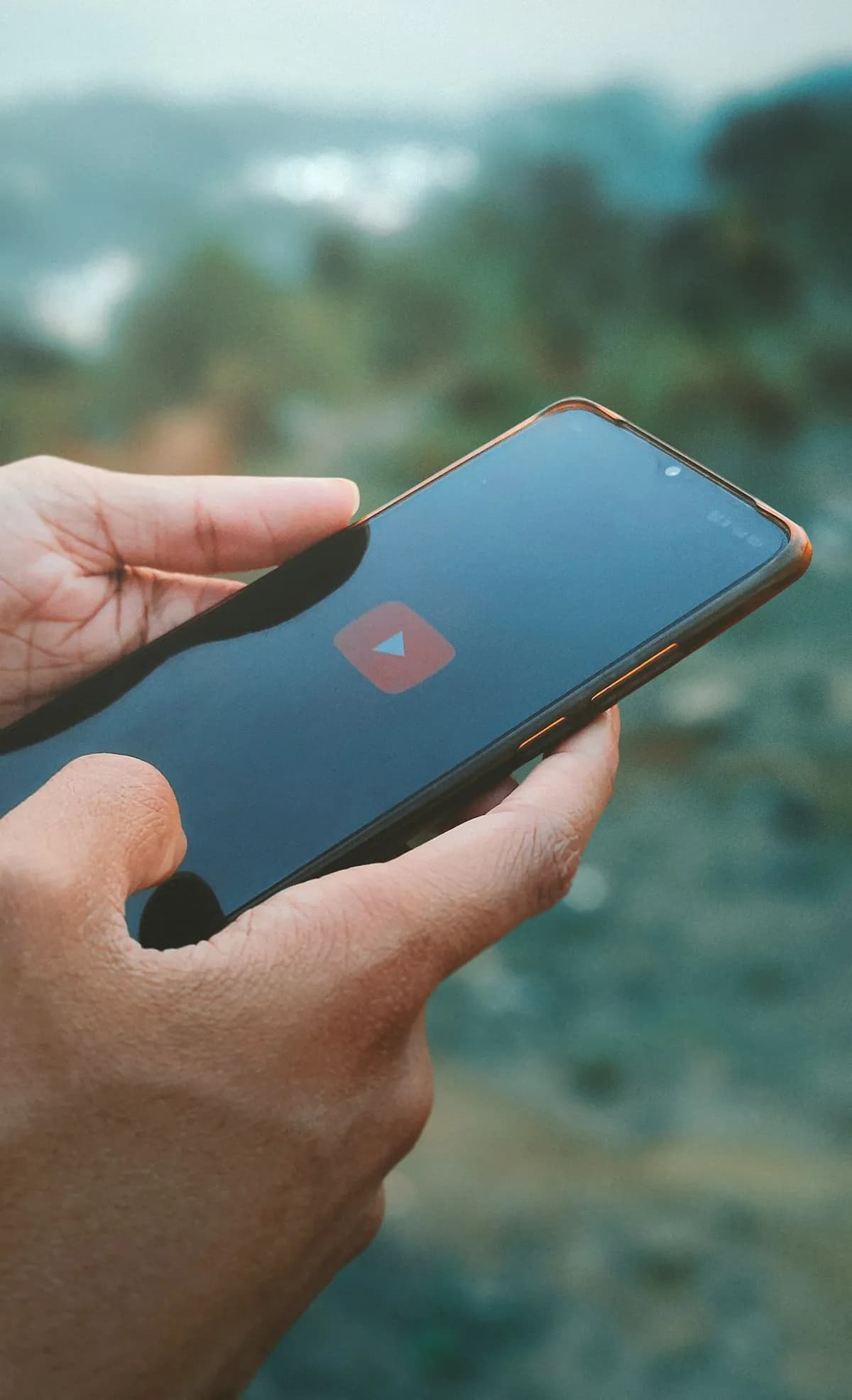
You open YouTube to watch one tutorial. Forty-five minutes later, you're seven videos deep into a rabbit hole about abandoned theme parks. You didn't choose this. The algorithm chose it for you.
This is the fundamental problem with YouTube in 2026: you don't control your feed — your feed controls you.
YouTube's recommendation engine is one of the most sophisticated attention-capture systems ever built. It processes your watch history, search queries, pause patterns, scroll speed, and even how long you hover over a thumbnail — all to serve you the next video you're most likely to click.
The result: a feed that feels personalized but is actually optimized for one thing — maximum watch time. Not your goals. Not your growth. Not your peace of mind.
Digital Feng Shui offers a different approach. Instead of deleting YouTube (impractical for most people), you can restructure your relationship with it — redesigning the energy flow so that YouTube serves your intentions rather than hijacking them.
How YouTube's Algorithm Actually Works
Understanding the mechanism is the first step to reclaiming control.
YouTube's recommendation system operates on three layers:
Layer 1: Engagement signals. The algorithm tracks what you click, how long you watch, whether you like/comment/share, and — crucially — what you watch next. Every action trains the model to predict your future behavior.
Layer 2: Satisfaction modeling. Since 2019, YouTube has weighted "satisfaction" signals alongside engagement. This includes survey responses and whether users return after watching. But satisfaction still correlates heavily with watch time.
Layer 3: Exploration. The algorithm periodically shows you content outside your usual patterns to test new interest areas. This is where rabbit holes begin — one curious click on an unfamiliar topic, and the algorithm floods your feed with more of it.
The algorithm doesn't distinguish between "I genuinely enjoyed that" and "I couldn't look away." Both register as engagement. This is why your feed fills with content that captures attention but leaves you feeling drained.
The Digital Feng Shui Audit: Diagnose Your Feed
Before restructuring, assess the current state. Open YouTube right now and answer honestly:
1. What does your home feed show?
- Mostly content you'd intentionally seek out? → Your Chi is flowing well.
- A mix of clickbait, drama channels, and content you'd be embarrassed to admit watching? → Stagnant Chi. The algorithm is feeding you low-quality dopamine.
2. How do you typically arrive at YouTube?
- With a specific video or topic in mind? → Intentional use. Good energy.
- "Let me just check what's new" → Passive consumption. The algorithm is driving.
3. How do you feel after a typical YouTube session?
- Informed, inspired, or entertained in a way you chose? → Healthy flow.
- Foggy, guilty, or unsure where the time went? → Energy drain. Your digital space needs restructuring.
If you answered honestly and most answers lean toward the second option, your YouTube environment has become a source of chaotic energy — the digital equivalent of a cluttered, windowless room.
Step 1: Clean Your Watch History
Your watch history is the soil from which your recommendations grow. If the soil is contaminated, everything that grows from it will be too.
The nuclear option:
- Go to myactivity.google.com
- Select YouTube History
- Click Delete → All time
This resets the algorithm's model of you. Your home feed will temporarily show generic popular content, but it gives you a clean slate to rebuild from.
The surgical option:
- Go to YouTube → Library → History
- Remove individual videos you regret watching or that led to rabbit holes
- Remove entire topics that no longer serve you
The surgical approach is better if you have genuinely useful recommendations (educational channels, professional content) that you don't want to lose.
After cleaning your history, immediately watch 5–10 videos from channels you genuinely value. This seeds the algorithm with intentional signals and accelerates the rebuilding process.
Step 2: Curate Your Subscriptions
Subscriptions are the strongest intentional signal you can give the algorithm. They represent your declared interests — the channels you've chosen to follow.
The audit process:
- Go to YouTube → Subscriptions → Manage
- Review every channel. For each one, ask: "If this channel released a video right now, would I be excited to watch it?"
- If the answer is no → Unsubscribe
Most people find they're subscribed to 3–5x more channels than they actually watch. These dormant subscriptions dilute your signal and confuse the algorithm.
The Feng Shui rule of subscriptions: Only subscribe to channels that give you energy. If a channel consistently leaves you feeling drained, anxious, or angry — regardless of how "important" the content seems — it's bad Chi. Unsubscribe.
Step 3: Use the "Not Interested" and "Don't Recommend" Tools
YouTube gives you direct controls that most people never use:
- Not interested: Click the three dots on any video → "Not interested." This tells the algorithm to reduce similar recommendations.
- Don't recommend channel: Click the three dots → "Don't recommend channel." This is stronger — it blocks an entire channel from your feed.
Use these aggressively. Every time you see a video in your feed that doesn't serve your intentions, mark it. The algorithm learns fast — within a few days, your feed will shift noticeably.
In Digital Feng Shui terms, this is clearing digital clutter — actively removing the visual noise that disrupts your focus and drains your energy.
Step 4: Restructure How You Access YouTube
The biggest change isn't about the algorithm at all. It's about how you open YouTube.
Before (passive): Open app → browse home feed → watch whatever the algorithm suggests → lose 45 minutes.
After (intentional): Decide what to watch → search for it → watch it → close the app.
Here's how to make this structural:
On your phone:
- Remove YouTube from your home screen. Move it to a folder or your App Library. Adding friction to access is one of the most effective Digital Feng Shui techniques.
- Disable YouTube notifications. All of them. If a channel matters, you'll check it intentionally.
- Use the search bar, not the home feed. Train yourself to open YouTube with a destination, not a browse.
On desktop:
- Bookmark specific channels or playlists instead of youtube.com. This bypasses the home feed entirely.
- Use a browser extension like "Unhook" or "DF YouTube" to hide the home feed, recommended videos sidebar, and comments. These tools remove the algorithm's surface area.
- Set a browser timer for YouTube sessions. Even a simple 20-minute alarm creates awareness.
YouTube Shorts is designed to be even more addictive than the main feed — it's TikTok's scroll mechanic inside YouTube. If you find yourself in Shorts, exit immediately. Consider using Screen Time (iOS) or Digital Wellbeing (Android) to set a specific time limit for the YouTube app.
Step 5: Build Intentional Playlists
Playlists are your strongest tool for intentional YouTube use. They let you pre-decide what to watch, eliminating the algorithm's influence entirely.
Create playlists by purpose:
- Learn: Tutorials, courses, professional development
- Inspire: Talks, documentaries, creative work that genuinely motivates you
- Relax: Content you choose for downtime — not what the algorithm pushes
When you open YouTube, go to your playlists first. Not the home feed. Not Shorts. Your curated collection.
This is the Digital Feng Shui principle of intentional arrangement — organizing your digital space so that the things that serve you are closest, and the things that drain you require effort to reach.
Step 6: The Weekly Reset
Even after restructuring, the algorithm will slowly drift back toward engagement optimization. New rabbit holes will form. Clickbait will creep back in.
Schedule a 5-minute weekly reset:
- Review your watch history from the past week
- Remove any videos that pulled you off course
- Mark "Not interested" on any new recommendations that don't serve you
- Check if you've subscribed to any new channels impulsively — unsubscribe if needed
Think of this as weekly digital housekeeping — the same way traditional Feng Shui practitioners regularly reassess and adjust the energy flow in a space.
The Bigger Picture: YouTube as a Tool, Not a Habitat
The goal of YouTube Feng Shui isn't to make YouTube "perfect." It's to change your relationship with it from passive consumption to active use.
YouTube is an incredible resource. It holds more educational content than every university library combined. It has music, tutorials, lectures, documentaries, and creative work that can genuinely enrich your life.
The problem was never YouTube itself. The problem is that the default experience is designed to keep you watching, not to serve your goals. When you restructure that experience — clean the history, curate the subscriptions, change how you access it, and maintain it weekly — you transform YouTube from a time sink into a genuine tool.
In Digital Feng Shui terms, you're not removing the furniture from the room. You're rearranging it so the energy flows toward what matters.
Start Now
Pick one step from this guide and do it today:
- Quickest win: Remove YouTube from your phone's home screen and disable all notifications
- Biggest impact: Clear your watch history and reseed with 10 intentional videos
- Most thorough: Do the full subscription audit
Then combine YouTube Feng Shui with the rest of your digital environment:
- Organize your iPhone home screen — reduce YouTube's visual presence
- Try grayscale mode — make YouTube thumbnails less visually compelling
- Manage your notifications — stop YouTube from pulling you back in
- Take the 30-day challenge — restructure your entire digital life, including YouTube
Tagged
More in Smartphone Feng Shui

Ready to start from the beginning?
The 30-Day Digital Feng Shui Challenge is a structured, day-by-day program to redesign your digital environment for good.
Start the 30-Day Challenge →